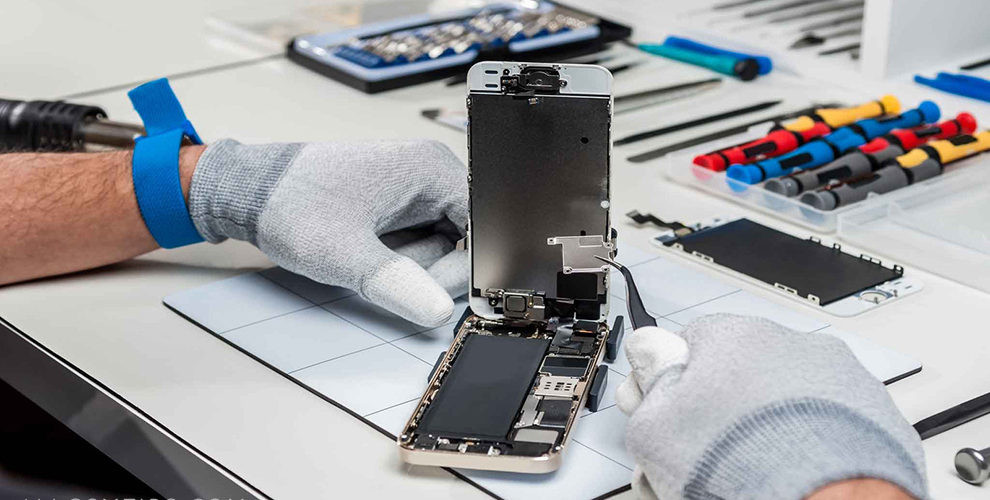
A lot of policy blogs and reddit posts have harped on the complete lack of repairability for our modern gadgets, from phones which are glued together instead of screwed or even John Deere tractors with their built-in DRM. There isn’t much in the way of mainstream attention to the self-repair movement or the ability to update and upgrade our modern devices the way we choose instead of the way the manufacturer chooses for you. Even in our internal IT, the choice of laptops is severely limited by the lack of user-repairable form factors that meet the portability needs of our staff.
But actual mainstream public attention has been building in the fight for repair rights, as evidenced by a recent article in The Economist. A magazine dedicated to policymakers, influencers, and “The Man”, it represents a mainstream focus being dedicated to the sharp decline in the ability for people to repair, replace, or upgrade their technology like we’ve enjoyed since the early days of the computer age. I know personally I only got into computers from taking a screwdriver to the family PC, much to my parents’ chagrin and later awe. The basis of that thirst for knowledge and empowerment for technology comes from tinkering, but more and more we find devices locked and limited.
A new movement is building, led by groups such as the Repair Association, which push for legislation on right to repair and openness in manufacturing and upgrades. Hopefully this is the first of many such articles in the mainstream media.
Originally published on LinkedIn.